




Appointments
Request Appointment/Request Exam - After completing the respective forms, these requests will be processed by our services, and you will receive confirmation by email. The indications about the Agreements (Insurance/Subsystem) are merely informative, please request confirmation in the "Observations" field.
Schedule Appointment/Exam myHPA - By accessing myHPA Saúde you can make the appointment in real time, directly on the Doctor's schedule according to his availability.
You can also contact us at +351 282 420 400 Algarve | +351 269 630 370 Alentejo | +351 291 003 300 Madeira
Phone booking/service hours:
Monday to Friday: 8:00 AM to 7:00 PM, Saturday: 8:00 AM to 5:00 PM Sunday and Holidays: Closed
(National landline)
Your request has been successfully received. We will confirm your appointment shortly.
Download myHPA Saúde:


Pulmonology
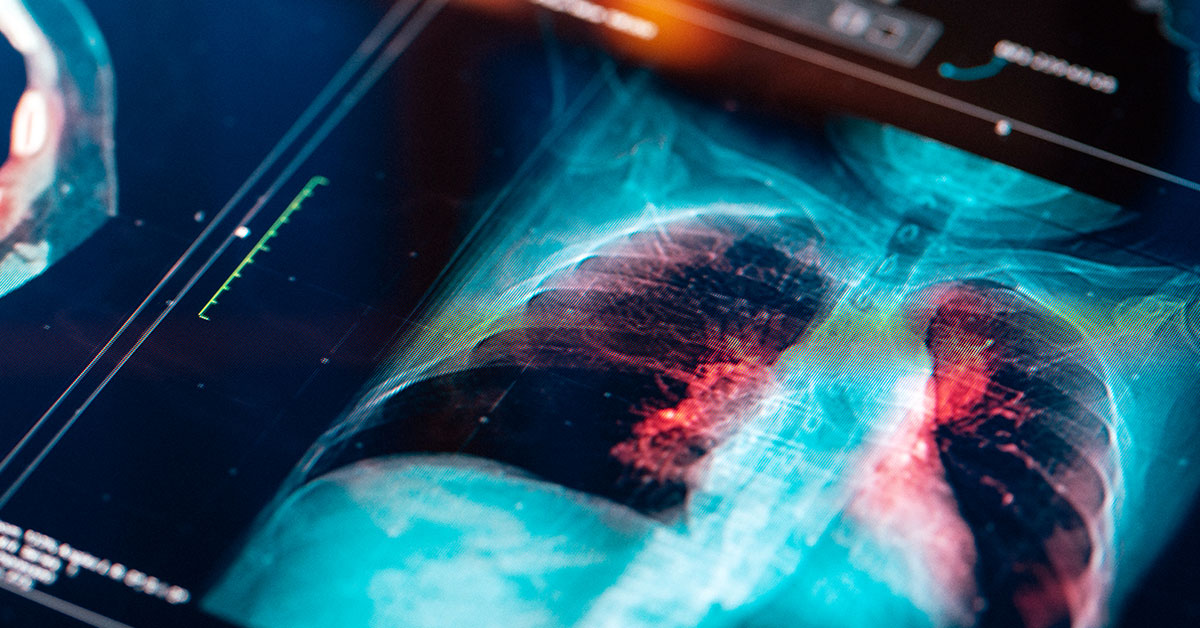
Pulmonology is the medical specialty dedicated to the prevention, diagnosis, and treatment of diseases of the respiratory system, encompassing the airways, lungs, and pleura.
We have specialised, multidisciplinary teams with extensive clinical experience, ensuring thorough and personalised care at all stages of disease, from preventive assessment to respiratory rehabilitation.
- Dra. Djamila Martins Neves
- Dr. Joaquim Magalhães
- Dr. Pedro Pereira Barros
- Dra. Tânia Sales Marques
- Dra. Inês Belchior
- Dr. Joaquim Magalhães
- Dr. Joaquim Magalhães
- Dr. Francisco Martins
- Dra. Lígia Pires
- Dr. João Munhá
- Dr. João Dias Cardoso
CUF Faro Hospital
Hospital São Camilo - Portimão
CUF Guia - AlgarveShopping Clinic
CUF Loulé - MAR Shopping Algarve Clinic
CUF S. Gonçalo - Lagos Clinic
CUF Vilamoura Clinic
Medchique Clinic - Monchique
CUF Sines Hospital
| Find all the information regarding Specialities and Consultations at CUF Healthcare Units in Greater Lisbon, the North, Centre, and the Azores here. |
We place particular emphasis on the prevention and early diagnosis of respiratory conditions, with a special focus on smoking cessation, the primary measure for protecting lung health. To this end, we offer support programmes to help patients quit smoking and conduct screenings for respiratory function and diseases associated with occupational and environmental risk factors, such as exposure to dust, smoke, silica, asbestos, or pollutants.
Among the diseases monitored in Pulmonology are:
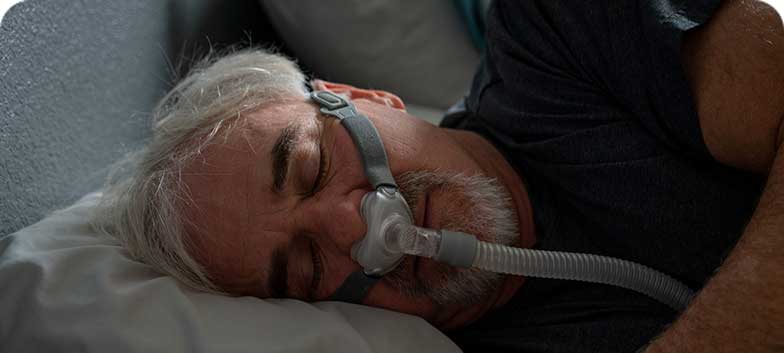
Sleep apnoea and other sleep-related breathing disorders
Including Obstructive Sleep Apnoea Syndrome, common in individuals who snore and experience excessive daytime sleepiness due to pauses in breathing during sleep.

Bronchial asthma
A chronic inflammatory disease of the airways, often of allergic origin, characterised by episodes of shortness of breath, coughing, wheezing, and chest tightness.

Chronic bronchitis
Persistent inflammation of the bronchi, usually associated with long-term smoking, causing productive cough and difficulty breathing.
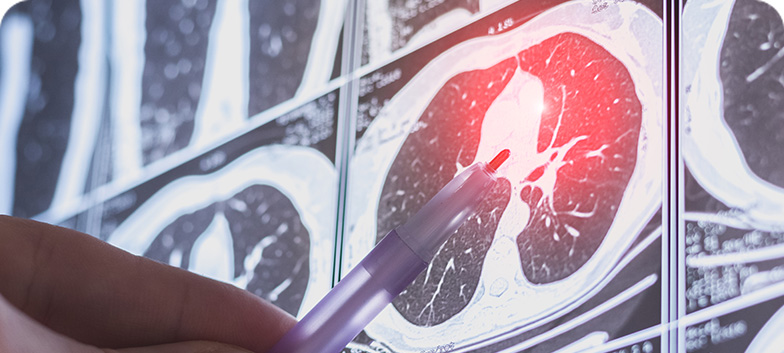
Lung cancer
Malignant tumour of the lung tissue, primarily associated with tobacco use, where early detection is crucial for effective treatment.
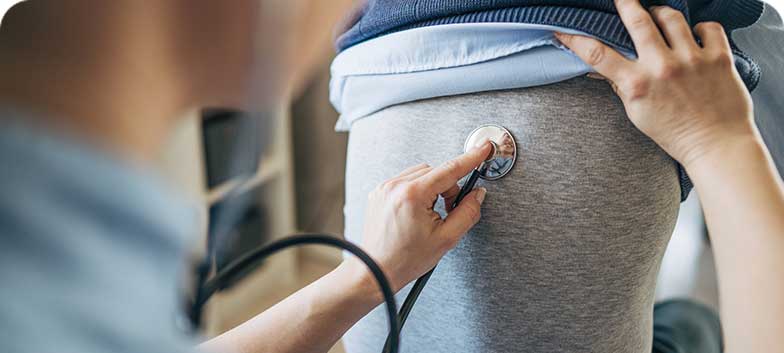
Chronic Obstructive Pulmonary Disease (COPD)
A term that includes chronic bronchitis and pulmonary emphysema, characterised by persistent airflow limitation and chronic respiratory symptoms.
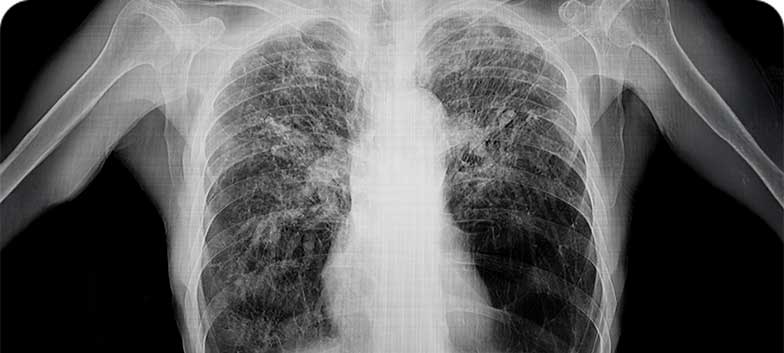
Pulmonary emphysema
Progressive destruction of the alveoli, often a consequence of smoking, leading to reduced respiratory capacity.

Respiratory infections
Including acute bronchitis, pneumonia, and pulmonary tuberculosis, infectious diseases affecting the airways and lungs.

Respiratory failure
A condition in which the lungs cannot ensure adequate blood oxygenation, which may result from various chronic lung diseases.

Pleurisy
Inflammation of the pleura (the membranes surrounding the lungs), which can cause severe chest pain and breathing difficulties.

Other respiratory conditions
including pulmonary fibrosis, other pleural diseases, pneumothorax, haemothorax, interstitial lung diseases, pulmonary embolism, and other less common conditions, which also require specialised pulmonology assessment and follow-up.
During a Pulmonology consultation, a comprehensive evaluation of respiratory function is conducted, taking into account personal, environmental, and occupational factors that may affect lung health. Sleep quality and associated complaints, such as daytime sleepiness, are also assessed.
With a focus on health promotion and improving quality of life, our Pulmonology team is prepared to prevent, detect, and treat respiratory diseases effectively and with a patient-centred approach.
Fully equipped for the study of respiratory diseases, including:
Bronchoscopy
An examination that visualises the interior of the airways, facilitating the detection and sampling of potential lesions.
Respiratory Function Centre (Plethysmograph)
Assesses total lung capacity and lung function, essential for diagnosing conditions such as asthma, COPD, or pulmonary fibrosis.
Pulmonary Ventilation/Perfusion Scintigraphy
Assesses the airflow and blood flow within the lungs. It is useful in the diagnosis of pulmonary embolism.
Diffusion (DLCO)
Measures the lungs’ ability to transfer oxygen into the blood, useful in the diagnosis of interstitial and pulmonary vascular diseases.
Equipment for Sleep Apnoea Assessment / Sleep Studie
Monitors sleep to detect breathing pauses and diagnose Obstructive Sleep Apnoea.
Spirometry with Bronchodilatio
Allows the assessment of airway response after the administration of a bronchodilator, helping in the differential diagnosis between asthma and COPD.
Simple Spirometry
Measures the airflow and volume of exhaled air, allowing a basic assessment of respiratory function.
Chest Imaging / High-Resolution CT (HRCT)
Produces detailed images of the lungs and thoracic structures, facilitating the detection of lesions and inflammation.
Ventilatory Mechanics with Bronchodilator Test
An examination that assesses how the bronchi respond to a bronchodilator medication, being very useful in the diagnosis of asthma and COPD.
Ventilatory Mechanics with Non-Specific Inhalation Challenge
Tests the response of the airways to stimuli in order to assess bronchial hyperreactivity.
Simple Ventilatory Mechanics
Analyses the mechanical behaviour of ventilation and the performance of the respiratory muscles.
FeNO Measurement (Fractional Exhaled Nitric Oxide Determination)
Currently, it is a key clinical tool for assessing eosinophilic airway inflammation, allowing for more precise diagnosis and personalised monitoring of patients with asthma.
FeNO is recommended by several international guidelines (GINA, ERS/ATS) as an integral part of the modern approach to asthma. It is a simple, quick, painless, and non-invasive test that provides objective information on bronchial inflammation and therapeutic control, helping to:
- Differentiate types of airway inflammation;
- Assess and adjust inhaled corticosteroid therapy;
- Identify patients at higher risk of exacerbations;
- Improve treatment adherence.
Transcutaneous Oximetry
Non-invasively assesses the oxygen level in the blood.
Occlusion Pressure
Allows assessment of respiratory effort and control of breathing.
Maximum Expiratory Pressure (MEP)
Assesses the strength of the respiratory muscles during exhalation.
Maximum Inspiratory Pressure (MIP)
Measures the muscle strength used during inhalation.
Pulmonary Function Tests
Provide a comprehensive assessment of ventilation, lung volumes, and gas exchange.
Bronchofibroscopy and Invasive Techniques Unit
Allows direct visualisation of the airways and the performance of procedures such as transthoracic needle aspiration and pleural biopsy, which are essential for the diagnosis of infections and oncological diseases.
